Thursday, August 26, 2010

An autumn exposition in Shanghai

I'm looking forward to my upcoming trip to Shanghai in September, primarily for the opportunity to visit the World Expo 2010 which will end on 31 October 2010.

The theme for this Expo is "Better City, Better Life" and it makes me wonder, amidst the brouhaha over what Malaysia eventually offered to the world, did Madame Yen Yen missed something crucial in the brief for the theme?

The theme for this section of Shanghai Expo is to dicuss how to build a better city for mankind, which represents the wish of the whole world for better standards of living in future urban environments. There is a deep concern for the improvement of urban environments lying behind this theme. The number of city inhabitants has risen constantly since 1800, and by 2010, as estimated by the United Nations, urban dwellers will account for 55% of the world population. The pursuit of better living environments has accompanied the history of urban development. Shanghai World Expo, through its many sub-themes, depicts a vision of future urban life.


Our Malaysian Pavilion, instead of evoking feelings of pride has dismally became the butt of jokes and indignant anger. Just visit here to get a sense of how some people feel about it:-

I got really angry when i see the malaysian pavillion at the word expo!!! BENCI!! can someone sue this people yg design benda bodoh tu??!!!! We can design better la kan!!! BODO!


Strong words indeed, but real funny when you read the accompanying write-up in that blog posting. You can also check out what Teresa Kok, the Sassy MP has to say about it here.

So I'm itching to see how my government managed to spend RM35million on a structure which has drawn more bile than honey from the taxpayers, not least the fact that they spectacularly "terkeluar tajuk" from the main theme. 

That aside, the weather should be nice and cool hovering around 23 degC by the time I'm there. One thing I particularly like about Shanghai is its interesting mix of buildings and structures of various architectural styles, a rich study of contrasting Eastern and Western influences, old and new. 

The Bund, located by the bank of the Huangpu River, contains a rich collection of early 20th century architecture, ranging in style from neoclassical HSBC Building to the art deco Sassoon House. A number of areas in the former foreign concessions are also well preserved, most notably the French Concession. Shanghai has one of the worlds largest number of Art Deco buildings as a result of the construction boom during the 1920s and 30s. One of the most famous architects working in Shanghai was László Hudec, a Hungarian architect who lived in the city between 1918-1947. Some of his most notable Art Deco buildings include the Park Hotel and the Grand Theater. Other prominent architects who contributed to the Art Deco style are Parker & Palmer who designed the Peace Hotel, Metropole Hotel and the Broadway Mansions, and Austrian architect GH Gonda who designed the Capital Theatre.
Despite rampant redevelopment, the old city still retains some buildings of a traditional style, such as the Yuyuan Garden, an elaborate traditional garden in the Jiangnan style.


The lights of the Bund and Puxi skyscrapers at night.
In recent years, a large number of architecturally distinctive, even eccentric, skyscrapers have sprung up throughout Shanghai. Notable examples of contemporary architecture include the Shanghai Museum, Shanghai Grand Theatre in the People's Square precinct and Shanghai Oriental Arts Center.
http://en.wikipedia.org/wiki/Shanghai


Shanghai is always a delightful place to visit. I've been there twice before, both during the cold winter season so this time around, I'm going to experience the city as summer ends and autumn creeps in. It's also a good opportunity for me to eat heartily this time around since I've lost some weight recently.  That thought alone is enough to make me smile.

Labels: ,

Thursday, May 03, 2007

Charmed by Angkor

This is definitely not a place to hurry along, snap a few photographs and whizz through the ruins in the comfort of an air-conditioned van.

It is difficult to describe the spiritual charm that pervades the atmosphere within the immense Angkor Archaeological Park. Given the opportunity, this is one place I can return to, again and again.

********************


The area of present-day Cambodia was already inhabited in the 3rd millennium B.C., but it was not documented historically until the beginning of the Christian era, when there rose up along the Gulf of Siam a kingdom that the Chinese chronicles describe as Funan, from the Khmer word bnam, or "mountain".


The 9th century witnessed the rise of Angkor art, that is, the art produced almost entirely in the vast zone of Angkor, the only exception being Koh Ker, a locality 53 miles (85 km) away.


The history of the "capital" - nagara in Sanskrit, from which the Khmer word angkor derived - began wih the grandiose consecration ritual of Jayavarman II (790-850) in 802 on Mt. Kulen to celebrate the independence of Kambuja from Javanese dominion.


That year marked the inauguration of the cult of Devaraja, the "God King" who was the celestial counterpart of the terrestrial ruler with universal power, and the name of Phnom Kulen style (802-875) derived from that of the mountain.


The Angkor Archaeological Park was founded in 1925. Angkor was made part of the UNESCO World Heritage List in 1992.


At present many restoration works are being carried out with the aid of foreign countries and under the control of the Cambodian government body Autorite pour la protectione du Site et l'Amenagement de la Region d'Angkor, generally referred to as APSARA.

(Source: Cultural Travel Guides, The Treasures of Angkor, Marilia Albanese, 2006, White Star Publishers.)


(Photo credits: Blogger's own ^-^)


Labels:

Wednesday, April 18, 2007

The architecture of Istana Ampang Tinggi, Seremban

This is after all Visit Malaysia Year, right?

So, to divert some attention from the current hotspot in Ijok, I want to talk a bit more about good ol' Seremban.

Desi likens it to Peyton Place but he probably did not notice that Christmas has come a good 8 months early over here. If you are travelling from KL and exit into Seremban town via Jalan Sg. Ujong, you will not miss the very festive lightings dangling from the trees lining the streets all the way to the Terminal One bus-station.

That's how I feel these days as I drive along this road whenever the lights are on. Our MB sure knows how to generate some "feel-good" mood to match those propaganda churned out daily by our news editors.

Anyway, I digress.

If you frequently bypass Seremban whenever you travel along the North-South highway, perhaps I might interest you to drop by my little hometown and have a cuppa before you journey on.

The state museum is located just 100m from the toll booth and the few buildings that make up the whole place have some pretty interesting Minangkabau architectural details. One that fascinates me is the Istana Ampang Tinggi.

This particular building has an ageless charm and beauty which is hard to describe in words but hopefully the pictures I am sharing with you here will impress you just as much.


Part of the Istana Ampang Tinggi viewed from the left hand corner. There is a full-view picture in my earlier post titled "Postcards from Seremban".


The official sign greeting visitors next to the main entrance to the Istana.


A front view of the wooden panels on the left hand side of the building.


A beautiful row of delicately carved floral motives found beneath the windows to the left of the main staircase.


Another view of carved floral motives, this time to the right hand side of the main staircase.


Even the handrails on the staircase is an impressive display of fine craftsmanship.


This thatched roof was not part of the original building but perhaps a close replica.


The narrow left-hand side interior of Istana Ampang Tinggi, viewed from the entrance.


********************

A BACKGROUND HISTORY OF ISTANA AMPANG TINGGI, NEGERI SEMBILAN

The timber palace contains an unusual number of finely carbed panels and a pair of heavy sliding doors, which cannot now be found anywhere else in Peninsular Malaysia.

The palace was built by the fifth Yang Dipertuan Besar of Negeri Sembilan, named Yam Tuan Ulin', who ruled from 1861 to 1869, on a ridge overlooking a wide expanse of ricefields, and when it was completed the Yam Tuan gave it to his daughter, Tunku Chindai when she married Tengku Muda Chik, the son of the forth Yam Tuan, Yam Tuan Radin.

The palace stood about six miles from Sri Menanti. Tengku Muda Chik added some more carved panels and he and his wife lived there. The palace was later given to their daughter Tunku Halijah, who married Yam Tuan Muhammed, the seventh Yam Tuan, as his second wife. When Tunku Halijah died in 1921, it was occupied from time to time by other members of the family. But from about 1930 it ceased to be in regular use and fell in disrepair.

In 1953 the eighth Yam Tuan, Tunku Abdul Rahman, gave permission for the old building, which by then had no roof, to be dismantled and transported to Seremban. This could be done because no nail had been used when the palace was first constructed. The central portion of the building was re-erected on a site close to the State Secretariat and was converted into a Mini Museum containing weapons, and other historic artifacts made or used in Negeri Sembilan. The building has since been moved to a new site about three miles from the town centre of Seremban.

(Source: Information board displayed on the site of Istana Ampang Tinggi, Museum Negeri Sembilan.)

Labels: ,

Monday, April 16, 2007

A pleasant museum makeover

Since my last picture post on Seremban more than a year ago, I was pleasantly surprised upon my recent re-visit to the local Muzium Negeri that some positive changes have taken place there.

From the outside, the museum grounds looks exactly the same. But the interior of Teratak Perpatih where the state museum is located has been given a refreshing makeover.

Gone were the musty smell emanating from the old and weary looking displays. The whole ground floor looks impressively modern with very good lighting and even some interactive LCD displays showing video clips on the background history of Negeri Sembilan. During my visit, there was an exhibition of traditional games of old as well as a philatelic display by Pos Malaysia.

And yes. I missed the controversial "Hantu & Jin ...?" exhibition.

The doors on the first floor of Teratak Perpatih where the exhibits were displayed were closed following an edict by the National Fatwa Council that it was haram. Prior to the council’s ruling on Wednesday, the exhibition on ghouls and the supernatural at the state museum had attracted both the crowds and criticism since it opened on March 10. Council chairman Prof Datuk Dr Abdul Shukor Hussin had said that the council considered such exhibitions detrimental to the Islamic faith. (NST, 14 April 2007)

I guess some controversy is good if it could generate publicity and attract more people to visit the state museum.

Coming from Seremban, I am rather proud of the local museum because it is really a beautiful place. But strangely, many Seremban folks barely noticed the existence of the museum, let alone drop by for a visit. I think it is a real shame.

I hope the Negri Sembilan Museum Board can come up with some exciting ideas to continually update the museum into a real crowd-puller, making it more than just a popular venue for wedding photographs.


Some of the displays during my recent visit to the refurbished Negri Sembilan State Museum in Seremban.


The philatelic display section on the ground floor of Teratak Perpatih.


I wonder what happened to the old exhibits such as the traditional costumes, pottery, weapons etc that used to occupy the main display area. Perhaps more space can be created to expand the exhibition area to follow through on the good work that has been carried out thus far, making the Muzium Negeri a real living museum and a showcase of the fine history of Negeri Sembilan.

Labels: ,

Saturday, April 14, 2007

I want to travel the world

Did I ever mention to you that I have a passion for travelling? Near or far, it doesn't matter. Below is a weekend post of some of the places I have been to recently.


The ruins of Angkor Wat in Siem Reap, Cambodia


The guardians of Angkor Thom in Siem Reap, Cambodia


The old palace of Ubud in Bali


The majestic volcano in Kintamani, Bali


A traditional long house in the Sarawak Cultural Village, in Kuching, Sarawak


The trams along the narrow streets of Hong Kong


Bustling crowd doing their weekend shopping in Hong Kong

The ever-changing skyline of Macau


Saying "hi" to all you folks from the Guia Fortress in Macau!


*Note: This is not a paid post. Just a musing about what I would love to do on a regular basis if the funds are there.


Labels: ,

Friday, January 12, 2007

Beauties of Chiangmai

Some of us live in such a fast-paced world we forgot there exists a larger community out there who continue to live blissful lives unhampered by the demands of technological advances.

Travelling brings much focus back into the absurdity that sometimes govern our lives surrounded by concrete jungles and beeping phones.

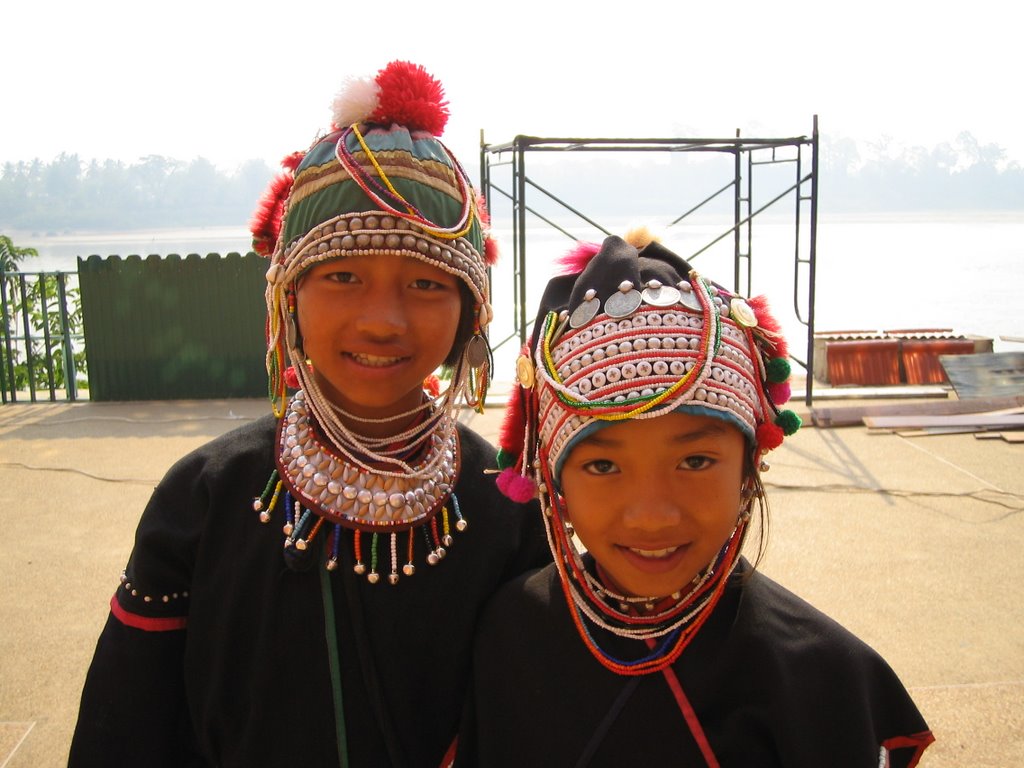
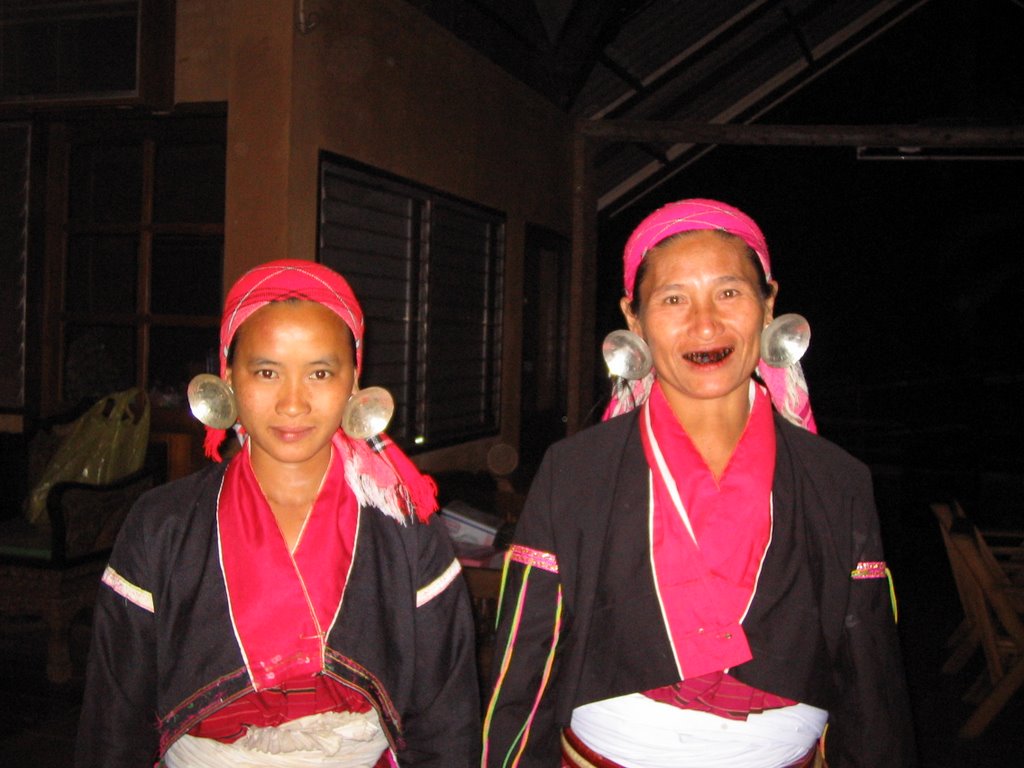
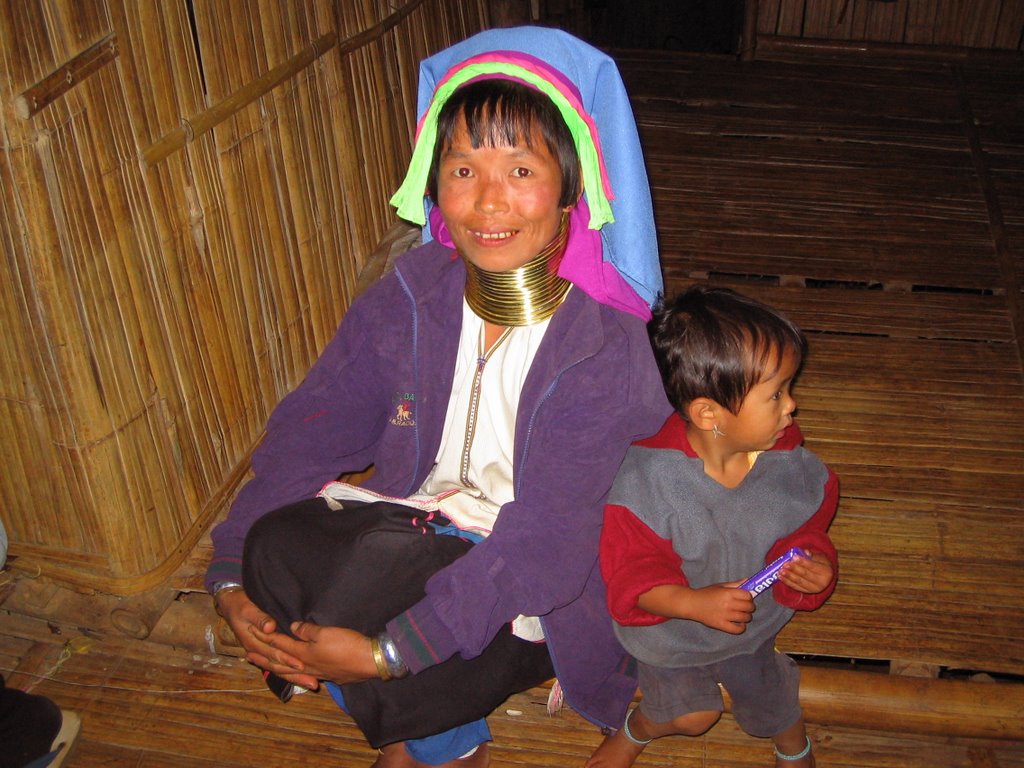
Like the following beauties I encountered in northern Thailand, do they even care if the Internet connection stops dead in its tracks across the world? The smiles on their faces tell us they are blessed by the sort of innocence and richness often lost among city folks like us.

There is much to learn and discover about our world beyond the comfort of our kampung. It makes me appreciate all the more what I have and what I really do not need in my life.


Lovely girls of Chiangrai


Beautiful maidens of Chiangmai


A sweet Karen girl


Contented mom & babe at home


Labels:

Saturday, January 06, 2007

Kuching impressions


I must admit that the city of Kuching in Sarawak wasn't what I had envisioned in mind before I got the opportunity to visit it last November.

I arrived there in gloomy weather and the first impression I had from my window seat was that the city does not seem to have that many highrise buildings. I wonder why I expected to see a replica of the KL skyline in Kuching? Silly me.

The skies threatened to open up as I made my way into the city centre. As it was past lunch-hour, I had a quick bite at the Pizzahut before heading straight to my hotel. The town itself is surprisingly devoid of much traffic that late Friday afternoon, which added to my sense of being lost in the twilight zone ... (to be continued.)


Hey, where is everybody??


Labels: ,

Wednesday, December 20, 2006

Morning call

I requested a morning call from my hotel in Shanghai recently and precisely at 7 am, the phone buzzed and I picked it up only to hear the operator blared out sweetly:-

This is your morning call. It is now 7 o'clock. You MUST wake up!

Bleary eyed, I put the phone down without uttering a word. It buzzed again within the next few seconds, the operator's voice booming down my ears:-

You MUST wake up NOW!

... Shanghainese do take their instructions seriously huh?

Labels:

Sunday, September 17, 2006

The charm of Neka Art Museum in Bali


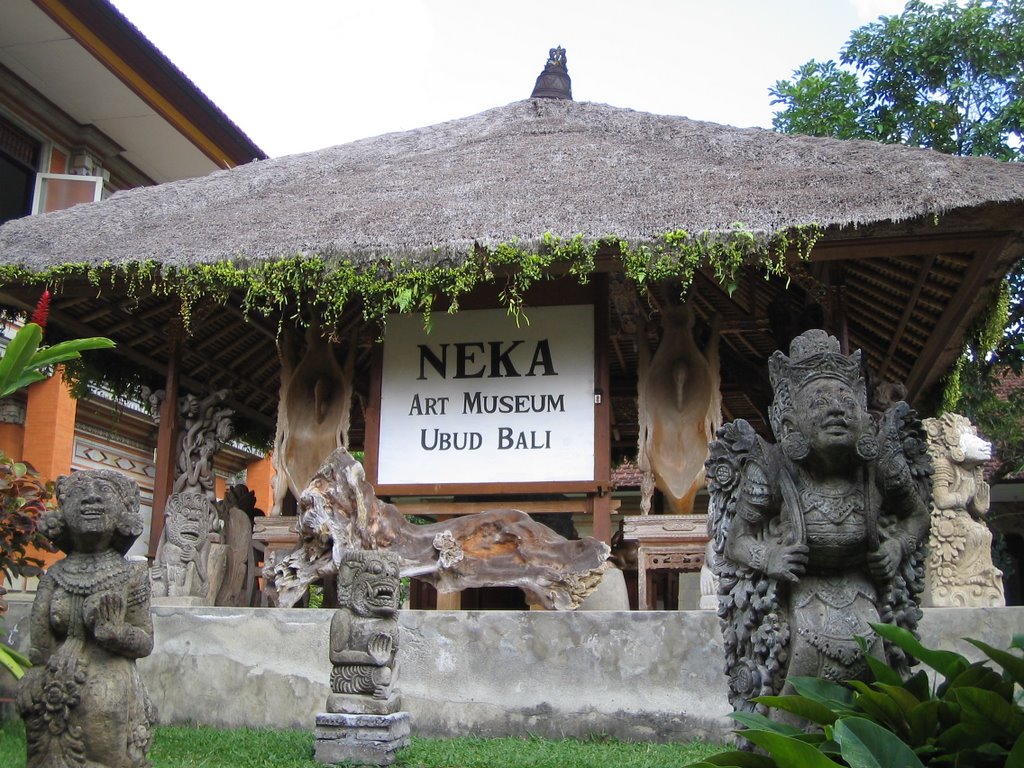
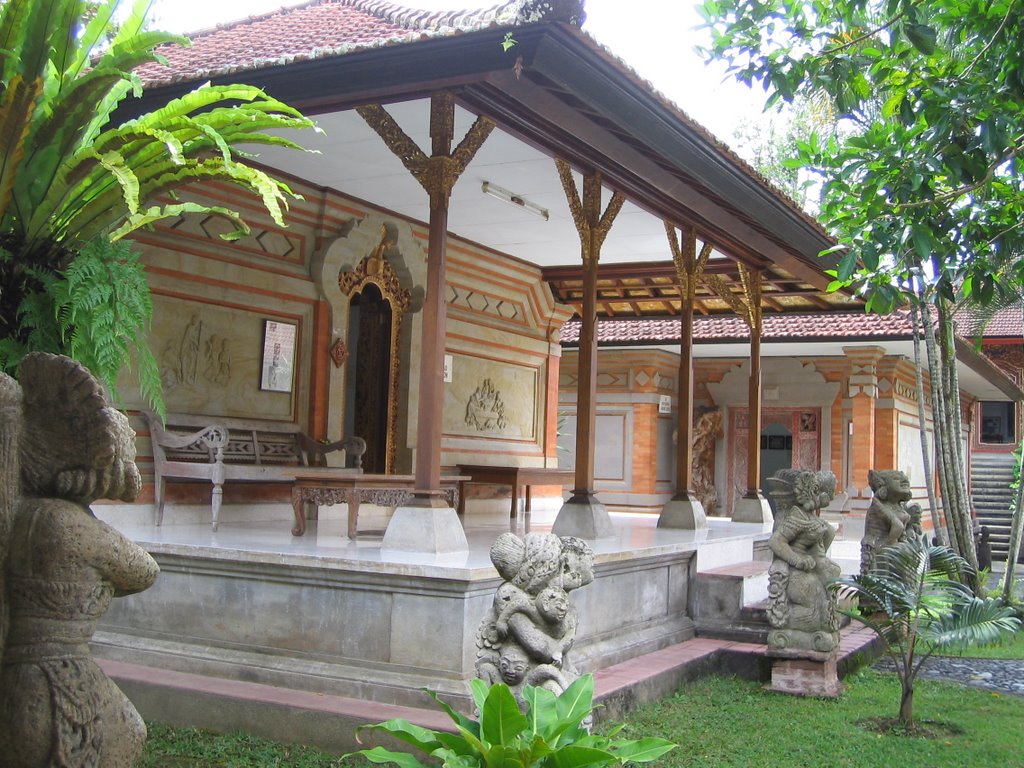
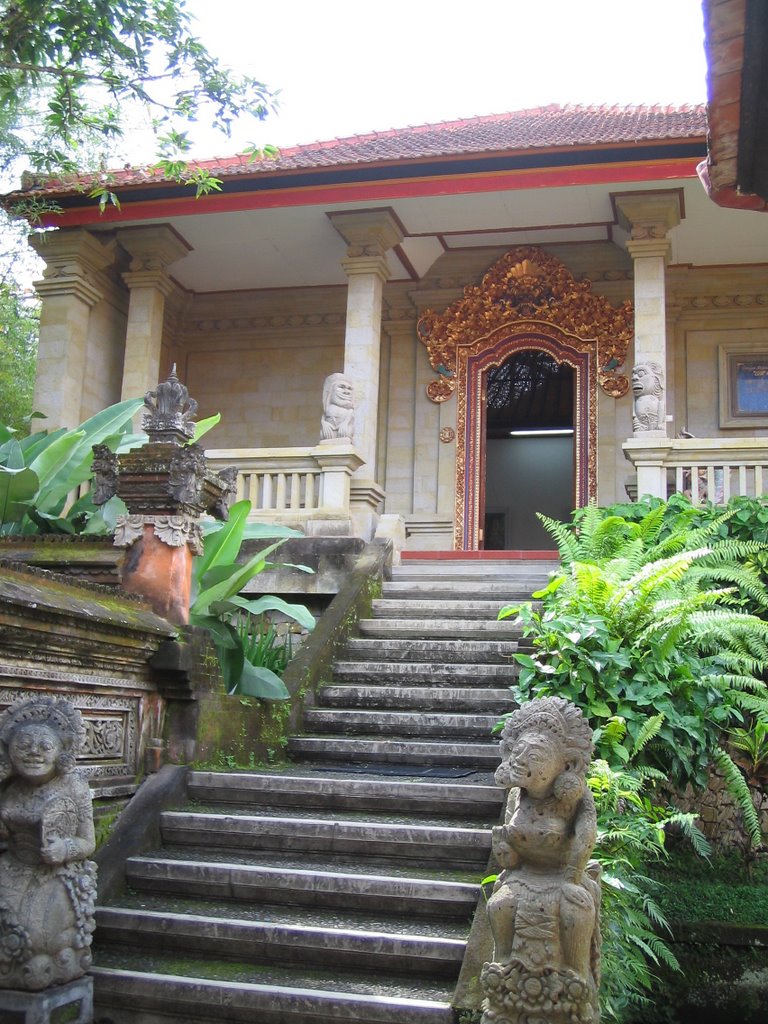
If you are visiting Bali for the first time, do try to go to the Neka Art Museum located in Ubud. Even if you are not an art afficionado, you will find much to enjoy here.

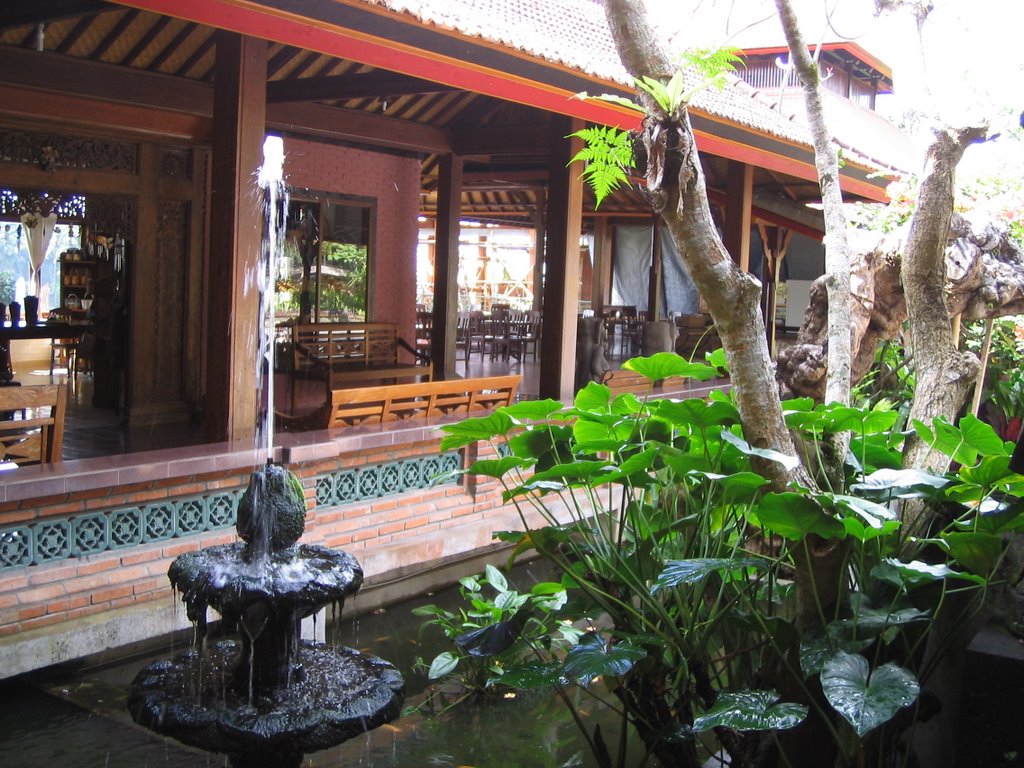
The museum is located in a beautiful garden setting overlooking a scenic river valley. The Neka Art Museum's large collection is displayed in several buildings patterned after Balinese architecture. Entrance fee is Rp20,000 per person and it is free for children 12 and below.

An excerpt from their website sums up what this place is all about:-

"The Neka Art Museum, previously known as the Neka Museum, is unique because its collection of foreign artworks by Balinese, other Indonesian, and foreign artists all were inspired by the natural beauty, life, and culture of Bali. The high quality of the Neka Art Museum's collection serves as a source of inspiration, information, research, and education for many people in Indonesia and from abroad. In this way, future generations of artists, especially in Bali, can benefit from it and develop their place in the national and global communities, while visitors gain a better understanding and appreciation of Balinese art and culture. The Neka Art Museum now is recognized as an institute of international standing."

I spent half a day there and thoroughly enjoyed myself and will not hesitate to return when I next visit Bali again, which I believe I will.

There are many more interesting sites around the island, and you ought to see and do much more than just shopping, which is doubtless another one of Bali's major attractions. You just have to experience it to be totally charmed off your socks!


Galleries housing artworks within the lush compound of Neka Museum


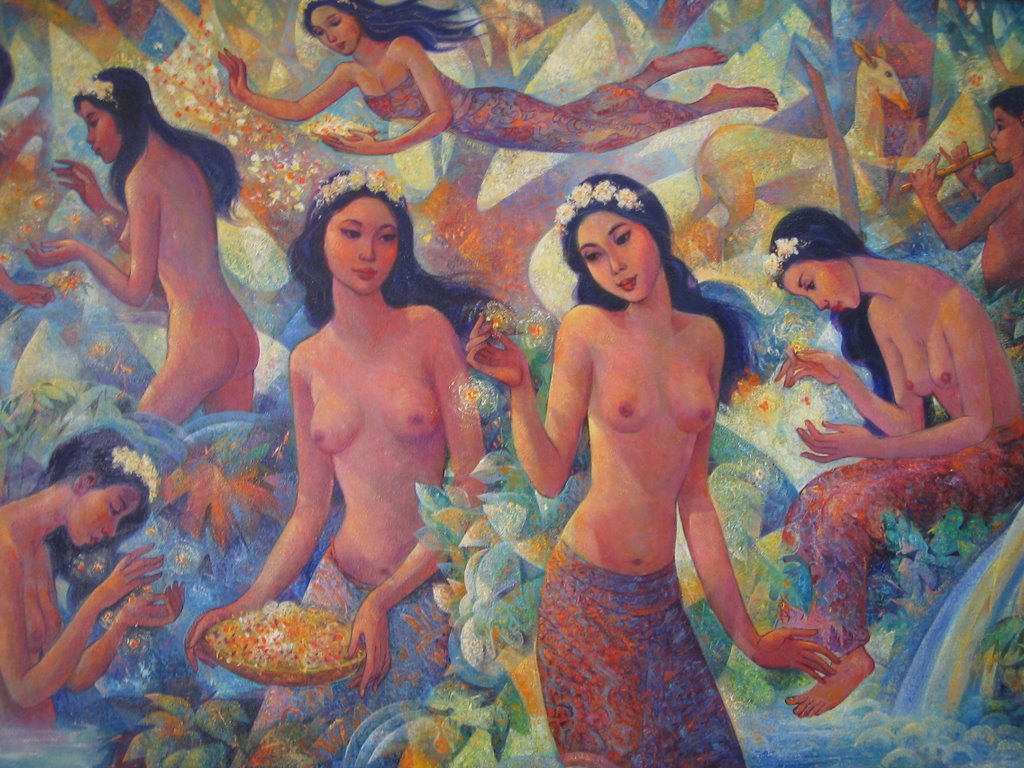
Beautiful Balinese maidens and painting of a happy Balinese family.

Labels:

adopt your own virtual pet!